Product Overview
One Reusable Kit
The same ESP32-S3 hardware is rebuilt across three experiments.
Progressive Learning
Skills grow from basic input and output to sensor-driven control and connected AI interaction.
Beginner-Friendly
No previous ESP32 or text-programming experience is required.
AI Interaction Across the Learning Lab
Learner asks→XiaoZhi interprets→ESP-NOW connects→ESP32-S3 validates→AI explains
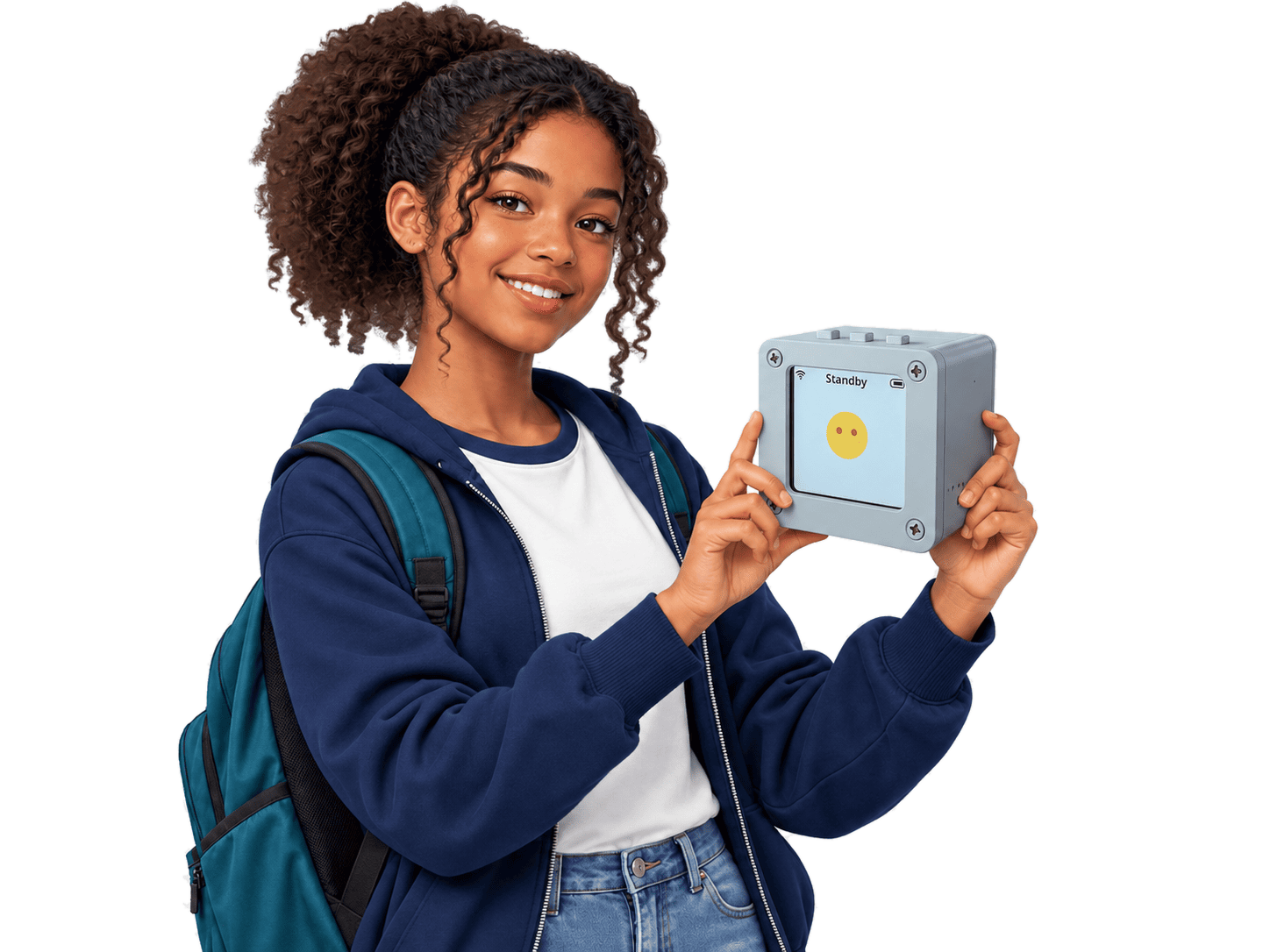 Build · Question · Verify
Example conversations
Live project dataLearnerWhat note is playing?
AIThe current key, note, and playback state.
LearnerDoes the plant need water?
AISoil moisture, temperature, humidity, and watering state.
LearnerHow is the air right now?
AIPM readings, environmental data, classification, and alert state.
Course Path and Experiments
Thinking through making
Thinking in Every Project
System map
Program logic
Test evidence
Shared project cycle
Understand
Create
Improve
User need
Prototype
Feedback
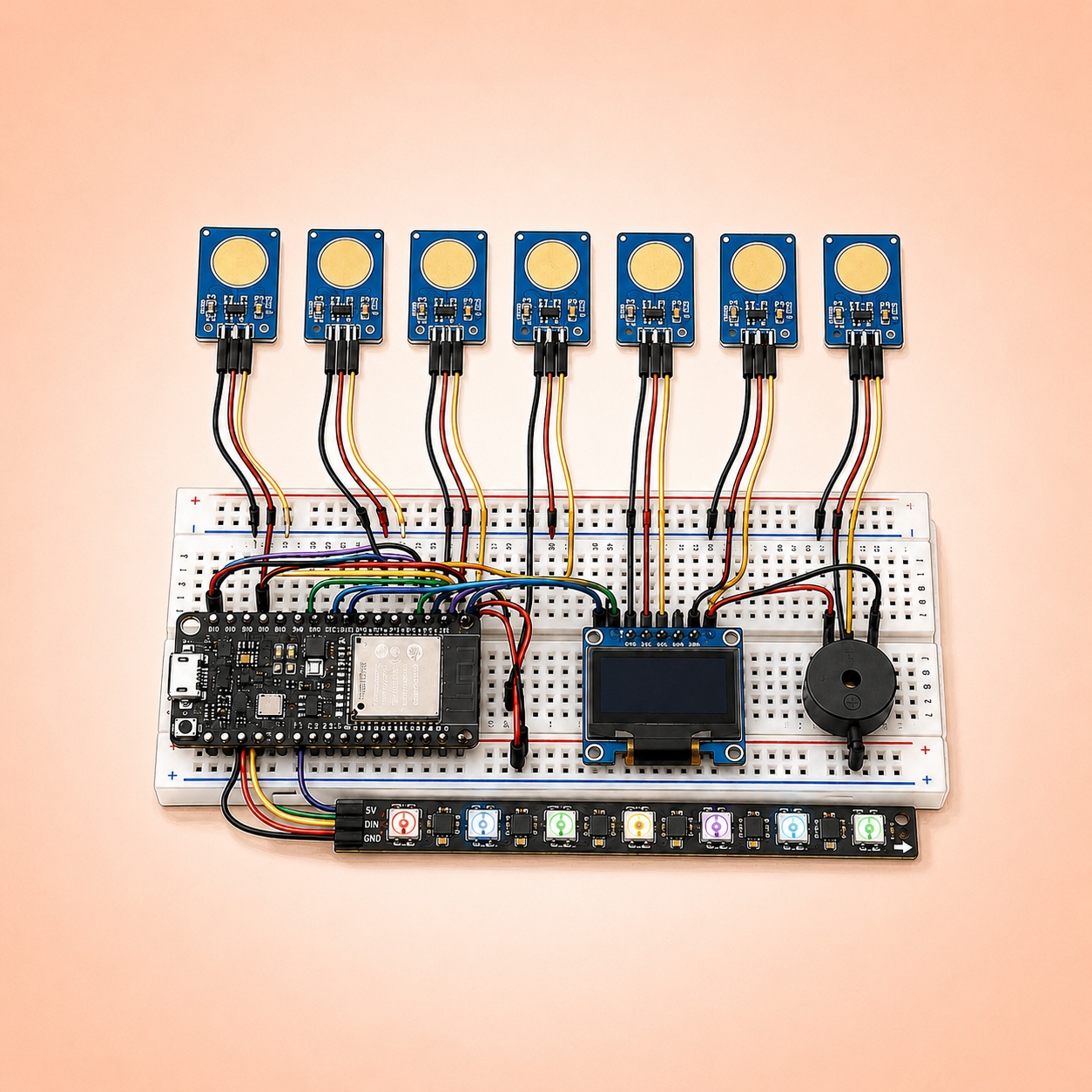
Touch Piano
- Maps seven touch inputs to notes and colours
- Provides sound, light, and on-screen feedback
- Tests response and playability
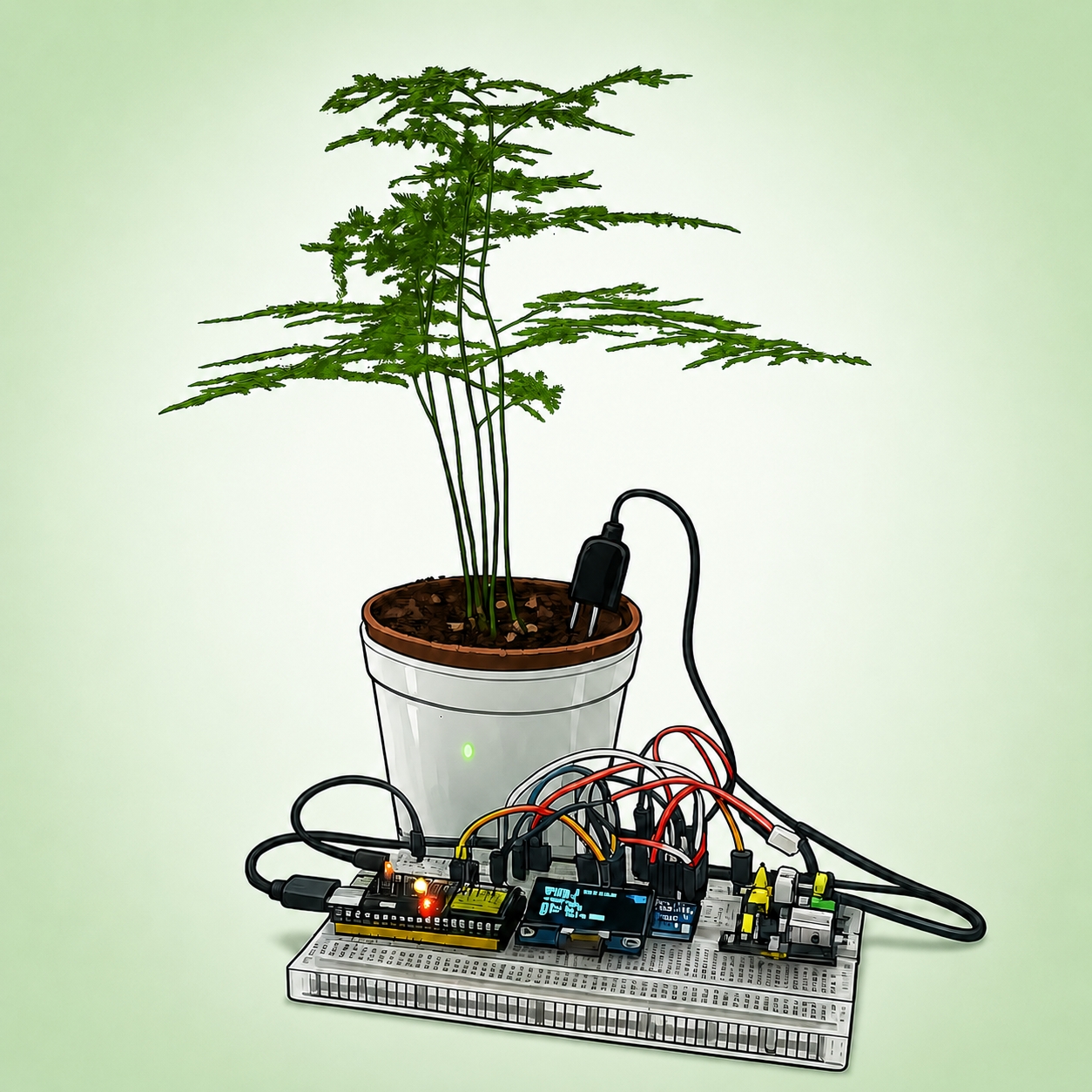
Plant Care Assistant
- Measures temperature, humidity, and soil moisture
- Calibrates thresholds for plant conditions
- Controls watering with safe local rules
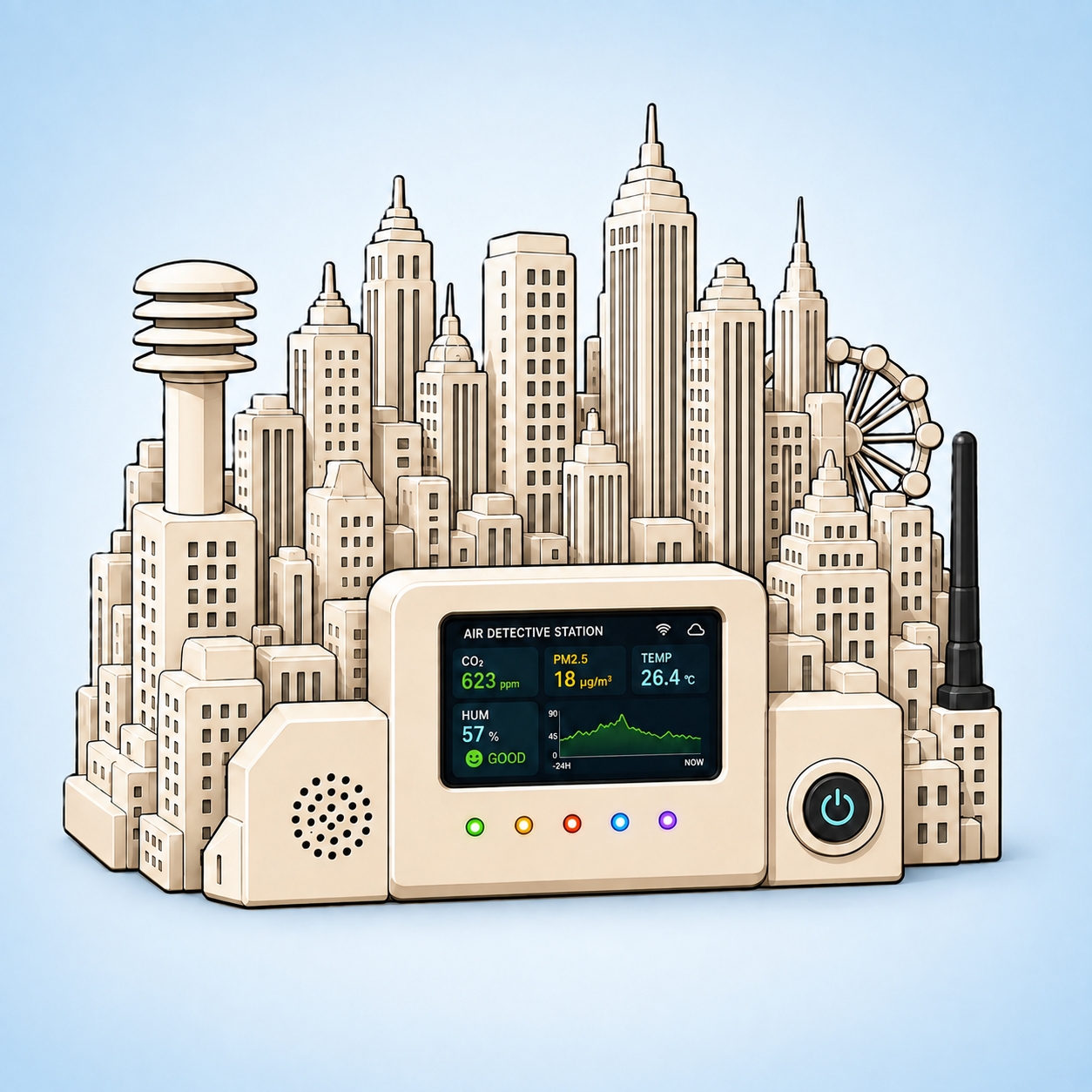
Air Detective Station
- Reads particulate and environmental data
- Validates and classifies air conditions
- Presents results through OLED pages and alerts
Extended Challenges
Core missionBuild and Verify
Complete the required system, test every part, and record evidence that it works.
Computational ThinkingTrace and debug the sequenceDesign ThinkingCheck whether feedback is clear
Guided investigationChange and Compare
Modify one variable, collect observations, compare outcomes, and explain the pattern.
Computational ThinkingControl variables and analyse dataDesign ThinkingEvaluate whether the change helps
Open challengeDesign and Improve
Define a need, build a new solution, test edge cases, gather feedback, and justify revisions.
Computational ThinkingDecompose, reuse, and test boundariesDesign ThinkingPrototype, gather feedback, and iterate
Change one variable→Collect evidence→Make one improvement→Explain why
Learning Support Included
Digital course hubInsight1 LMS
Course pages connect instruction, practical work, and review.
- Video lessons + diagrams
- Starter code + hardware checks
- Activities + quizzes
- Progress + learning records
Visit learn.insight1.hk →
Student learning evidenceStudent Missions
Mission logs structure practical work without removing discovery.
- Tasks + predictions
- Observations + data
- Code reasoning + testing
- Reflection + teacher sign-off
Classroom delivery supportTeacher Guides
Lesson-ready guidance supports preparation, teaching, and assessment.
- Goals + materials
- Safety + teaching prompts
- Misconceptions + troubleshooting
- Assessment + extensions